Why Do My Watercolours Look Muddy? Five Common Causes
 Nicola Blakemore

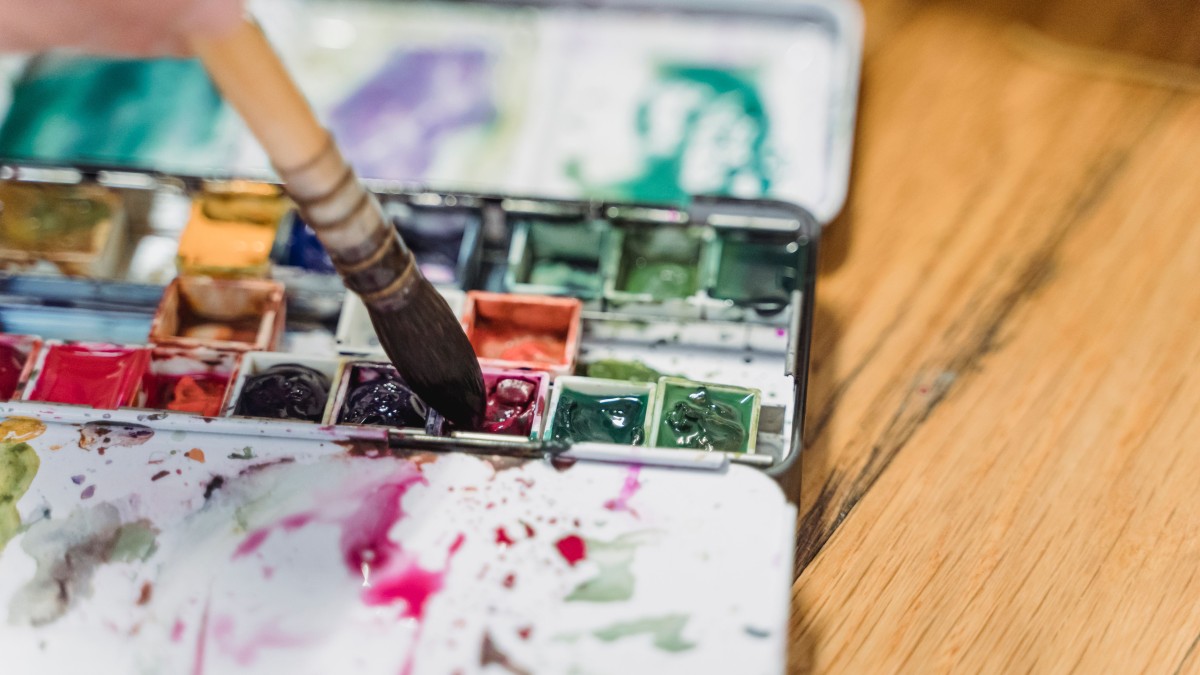
Ever wondered why your watercolours turn muddy? It’s often down to a few small things, like mixing too many colours, overworking a wash or painting into an area that’s still damp. Here are five common
“Why has that lovely clean colour turned into mud?”
It is one of the most common questions I hear from people learning watercolour. Usually, the problem is not that you cannot paint. It is that one of a few small things has happened while you are working.
Here are five common causes, and what you can do about them.
1. Too many colours have been mixed together
When you keep adding one colour after another, the mixture gradually loses its clarity. Sometimes that is exactly what you want, but often it produces a dull brown or grey when you were hoping for something fresh.
Try mixing fewer colours. Start with two, see what they do together, and only add another if you really need it.
2. The paint has been overworked
Watercolour often looks better when you stop a little earlier than you think. If you keep going back into a wash while it is drying, the paper can become disturbed and the colours can lose their freshness.
Put the brush down and let the area dry. You can always add another layer later. It is much harder to rescue a passage that has been scrubbed and pushed around too much.
3. Your brush or water is dirty
This sounds obvious, but it is very easy to carry yesterday’s colour into today’s painting. Rinse the brush properly between colours and change the water when it becomes too cloudy.
Two water pots can help. One is for the first rinse, and the other stays cleaner for mixing.
4. You have painted into a damp area
Paint behaves differently on dry paper, damp paper and very wet paper. If you add a strong colour to an area that is partly drying, it may spread in an unexpected way and leave a hard or dirty-looking edge.
There is nothing wrong with wet-into-wet painting, but it helps to decide whether you want the paper wet, damp or dry before you put the brush down.
5. The colours are fighting each other
Some pigments are naturally bright and transparent. Others are more opaque or granulating. When you mix several strong colours without understanding how they behave, the result can become heavy.
Make a few small colour charts. It is a simple exercise, but it tells you far more than looking at the colour in the pan.
A simple way to keep your colour fresh
Use a clean brush, mix only what you need, and leave areas alone once they are doing what you want. Remember that the white of the paper is part of your colour scheme too. You do not have to cover every bit of it.
Muddy paint is not a disaster. It is useful information. The more you notice when and why it happens, the easier it becomes to prevent it.
Try a small study with just two or three colours this week. Keep it simple and see how clean you can keep the mixtures.
Keep safe, keep painting, love Nicola
Categories: : Learn Watercolour